The Schengen Area includes 29 European countries that allow borderless travel once you enter through any one of them. For many global travelers, getting a Schengen visa opens the door to exploring Europe’s culture, world-class education, and vast business opportunities.
The Schengen visa process requires meticulous documentation, a clear explanation of purpose, strong financial proof, and consistent personal records.
Understanding the Schengen Visa System
The Schengen visa is a short-stay visa (Type C) that typically allows you to travel freely between the 29 member countries.
What are the 90/180-day rules?
The visa generally allows you to stay for a maximum of 90 days within any 180-day period. This is the core rule that applies to all short-stay visitors.
The Primary Schengen Visa Categories:
| Visa Type | Primary Purpose | Who Applies? |
| Tourist / Travel Visa | Leisure, holiday, sightseeing. | Vacationers, private travelers. |
| Business Visa | Meetings, trade fairs, negotiations, client visits. | Professionals, investors, entrepreneurs. |
| Family Visit Visa | Visiting relatives or friends residing in the Schengen Area. | Individuals visiting sponsors/family. |
| Student Short-Course Visa | Language courses, short professional training (under 90 days). | Students, trainees. |
| Airport Transit Visa (Type A) | Simply changing planes at a Schengen airport. | Travelers connecting flights without entering the Schengen zone. |
Key 2026 Update: The Schengen zone recently expanded (including Bulgaria and Romania fully for air/sea travel).
Always check the latest member list to confirm border rules if planning land travel.
Part 1: Travel or Tourist Visa Tips for Schengen Countries
A tourist visa is the most commonly applied category. The requirements are straightforward but must be properly organized.
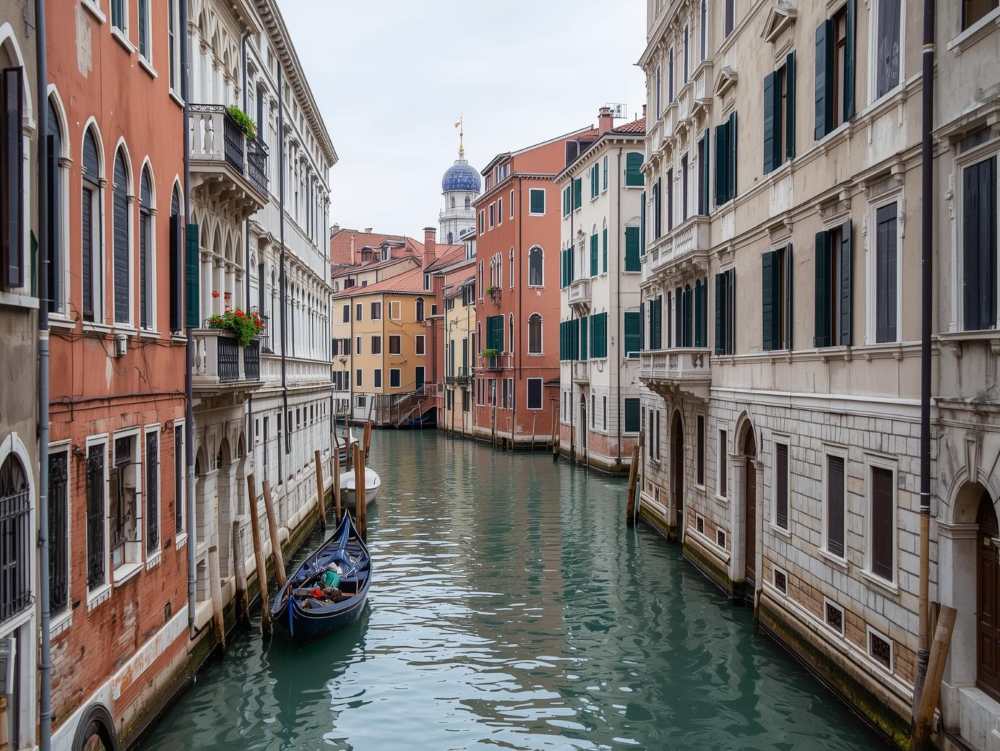
Create a Clear and Genuine Travel Plan
Prepare a day-by-day itinerary showing:
- Cities you want to visit
- Dates of travel
- Places you will stay
- Tourist spots you will explore
- Transportation plan between cities
A clear travel plan shows that you have prepared your trip responsibly.
Book Refundable Flights and Hotels
Most embassies do not require confirmed bookings. You can submit:
- Flight reservation
- Temporary hotel bookings
- Travel reservations within Europe
These bookings show intention without financial risk.
Show Strong Financial Proof
You must demonstrate that you can afford your trip. Documents may include:
- Bank statements for the last six months
- Salary slips
- Tax documents
- Savings account
- Fixed deposits
- Business financial statements (if self-employed)
Your financial stability is one of the biggest approval factors.
Provide Proof of Strong Home-Country Ties
Embassies want to ensure that you will return home after the trip. Provide:
- Job letter or employment contract
- Business documents
- Property documents
- Family responsibilities
- Academic enrollment (if student)
These documents prove that you have reasons to return home.
Travel Insurance Is Mandatory
Purchase a Schengen-approved medical insurance plan that covers at least 30,000 euros. This is compulsory for all applicants.
Part 2: Schengen Business Visa Tips – Proving Your Professional Purpose
Many people travel to Europe for business meetings, trade fairs, exhibitions, market research, or partnership discussions. A business visa has stricter requirements because you must clearly and formally justify your professional purpose.
The Mandatory Invitation Letter (Your Ticket to Entry)
The invitation letter is the single most critical document for a Business Visa. It must formally link your trip to a genuine professional activity in the Schengen Area.
What must the European host company include?
- Host Details: Full contact information, name of the company representative, and their position.
- Purpose of Visit: A clear and concise statement of the reason (e.g., attending the “EuroTech Summit,” negotiating a supply contract).
- Duration & Schedule: The exact dates of the visit and a brief outline of the meeting agenda or business schedule.
- Financial Guarantee: A statement confirming who will cover expenses (accommodation, travel, daily costs) for the duration of your stay.
- Format: The letter must be written on the official company letterhead and signed by an authorized signatory.
Submit Robust Home-Country Business Documents
You must satisfy the immigration officer that you have an active, legitimate business or job in your home country and that you are an integral part of it.
If Employed:
- Employment Letter (stating your position, salary, and date of joining).
- Leave Approval Letter from your employer.
- Last 3 months’ payslips.
If Self-Employed/Business Owner:
- Trade License or Company Registration Certificate.
- Latest Income Tax Return or Official Tax Certificate.
- Company Bank Statements (last 3-6 months).
- A letter explaining your role and the nature of your business.
Credibility Builder: Providing documents that show a previous business relationship (e.g., contracts, invoices, or prior communication) with the inviting Schengen company dramatically strengthens your case.
Write a Focused and Professional Cover Letter
The cover letter acts as the “executive summary” of your application. It must connect all the dots for the visa officer.
Your Cover Letter Must Explain:
- Why you are visiting this specific Schengen country.
- What specific business transactions/meetings you are conducting.
- How this trip benefits your company.
- Why you will return home: Briefly mention your professional (or family) commitments that guarantee your departure from the Schengen Area (e.g., “I am the sole proprietor of [Company Name] and must return to manage ongoing projects.”)
Pro-Tip: Maintain a consistent, formal, and professional tone throughout your cover letter and all communications. Clear communication increases trust.
Part 3: Schengen Family Visit Visa Tips
If you want to visit family members living in a Schengen country, you must provide relationship evidence and a sponsor letter.
1. Submit Proper Relationship Documents
Depending on the relationship, include:
- Birth certificates
- Marriage certificates
- Family card or national records
- Photos together
- Communication history
These show that the visit is genuine.
2. Provide an Invitation Letter from Your Host
The host must write a detailed letter that includes:
- Relationship with the applicant
- Purpose of the visit
- Duration of stay
- Confirmation of accommodation
- Passport or residence permit copy
Some countries require hosts to fill out official invitation forms.
3. Show Return Motivation
Like tourist visas, you must demonstrate that you will return home after your visit. Jobs, property, family, business, and responsibilities are strong supporting factors.
Part 4: Schengen Study Visa (Short Course or Training)
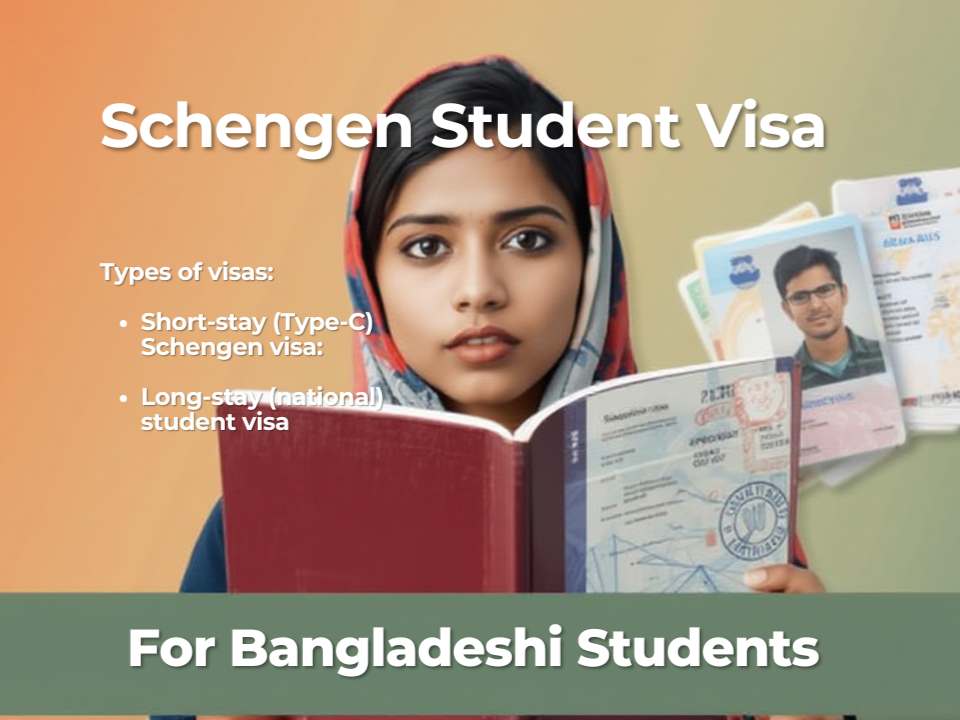
For short-term courses, training programs, workshops, or language schools, a Schengen short-stay study visa is required.
1. Enroll in a Registered Educational Program
Before applying, secure:
- Admission letter
- Proof of program fees
- Course details
- Duration and schedule
This proves your academic purpose.
2. Submit Your Academic Background
Provide:
- Certificates and transcripts
- Previous qualifications
- Language test results (if needed)
- Explanation of the study gap
The embassy checks whether your chosen course aligns with your background.
3. Show Sufficient Financial Backup
Provide evidence that you can support:
- Tuition fees
- Accommodation
- Food and transportation
- Travel expenses
Your financial stability must match your study plans.
Non-Negotiables Schengen Visa Requirements for Every Applicant
These are the mandatory documents and criteria required by all Schengen member states. Failure to meet these core requirements will result in immediate refusal.
Passport Validity (The 3/6 Rule)
Your passport must meet strict validity criteria on the date you submit your application:
- Age: It must have been issued within the last 10 years.
- Validity: It must be valid for at least 3 months beyond your intended date of departure from the Schengen Area.
- Pages: It must have at least two blank pages for the visa stamp.
Proof of Sufficient Funds (Means of Subsistence)
You must demonstrate that you can financially support yourself without resorting to public funds.
What financial proof is accepted?
- Bank Statements: Clear, recent bank statements showing movements for the last 3 to 6 months.
- Income Proof: Recent payslips, employment contracts, or tax returns (to prove the source of your funds is stable).
- Sponsorship: If a host is covering your costs, you need a formal Proof of Sponsorship or a formal declaration.
How much money do I need per day?
A common benchmark is often between €60 to €120 per day of your stay, depending on the country you are visiting and whether accommodation is prepaid. Always check the specific requirements for your chosen consulate.
Mandatory Travel Medical Insurance (TMI) Requirements
Travel medical insurance is legally mandatory. Your policy must meet three specific, non-negotiable criteria:
- Minimum Coverage: Must have a minimum coverage of €30,000 (or equivalent) for emergency medical care and/or hospital treatment.
- Repatriation: Must explicitly cover costs associated with medical repatriation and repatriation in the event of death.
- Validity: Must be valid throughout the entire Schengen Area and cover the full duration of your intended stay.
Confirmed Travel & Accommodation Details
You must provide a confirmed, structured itinerary showing that your departure and arrival dates are secured.
- Transportation: Reserved or purchased round-trip flight tickets showing your guaranteed entry and exit from the Schengen Area. If traveling between multiple Schengen states, proof of internal travel (train bookings, connecting flights) is recommended.
- Accommodation: Confirmed reservations for your entire stay. This can include:
- Hotel/Hostel Bookings: Confirmed reservation for every night.
- Invitation Letter: If staying with friends/family, a formal letter of invitation from the host, including their address and a copy of their ID/residence permit.
Complete and Signed Application Form
Every applicant must complete the standard Schengen Visa application form.9 It must be:
- Duly Completed: Every relevant field filled out accurately.
- Signed: Signed by the applicant (or by both parents/legal guardians for minors).
- Photos: Include recent (not older than 6 months) passport-sized photos meeting the specific biometric requirements (usually 3.5cm x 4.5cm, white background).
Common Reasons for Schengen Visa Refusals
Understanding refusal reasons helps you avoid mistakes:
- Weak financial documents
- Unclear travel purpose
- Unstable bank transactions
- Insufficient ties to the home country
- Incomplete documents
- Misrepresentation or incorrect information
- Suspicious travel history
- Lack of strong a invitation (for family or business)
Avoid these issues by preparing carefully.
Don’t Risk Refusal. Get Schengen Visa Expertise
Get expert help with your mandatory documents, itinerary, and financial presentation. We provide step-by-step assistance to make your journey to Europe smooth and stress-free.
Book Your Consultation Now!